Προσθήκη στα αγαπημένα
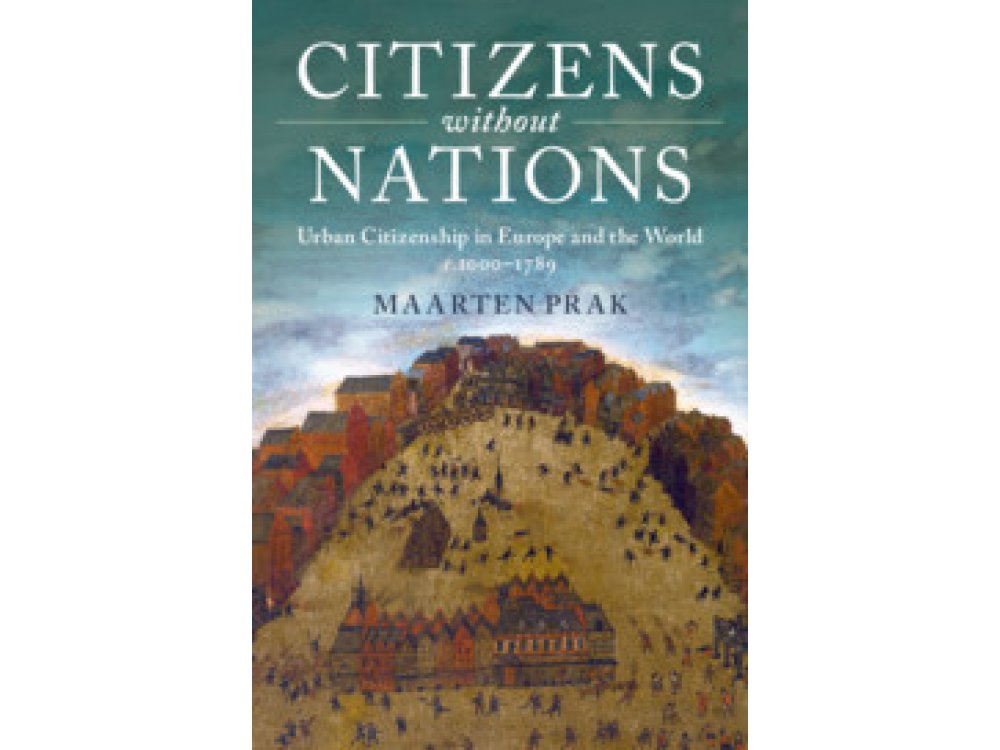
Citizenship is at the heart of our contemporary world but it is a particular vision of national citizenship forged in the French Revolution. In Citizens without Nations, Maarten Prak recovers the much longer tradition of urban citizenship across the medieval and early modern world. Ranging from Europe and the American colonies to China and the Middle East, he reveals how the role of 'ordinary people' in urban politics has been systematically underestimated and how civic institutions such as neighbourhood associations, craft guilds, confraternities and civic militias helped shape local and state politics. By destroying this local form of citizenship, the French Revolution initially made Europe less, rather than more democratic. Understanding citizenship's longer-term history allows us to change the way we conceive of its future, rethink what it is that makes some societies more successful than others, and whether there are fundamental differences between European and non-European societies.
Broadens the widely studied development and role of citizenship in Europe to give these topics a global perspective that covers Europe, China, the Middle East and America
The book will appeal to scholars of the humanities and social sciences with an interest in citizenship, and is also accessible to a wider audience who cares about how to achieve sustainable social development
The period covered, from the late Middle Ages to the French Revolution, is much wider than most histories on similar topics
Introduction: worlds of citizenship
Part I. Dimensions of Citizenship in European Towns:
1. Formal citizenship
2. Urban governance: citizens and their authorities
3. Economic citizenship through the guilds
4. Welfare and the civic community
5. Citizens, soldiers, and civic militias
Part II. Cities and States, Or: The Varieties of European Citizenship: Introduction to Part II
6. Italian city-states and their citizens
7. The Dutch Republic: the federalisation of citizenship
8. Citizenship in England: from the Reformation to the Glorious Revolution
9. Cities and states in Continental Europe
Part III. Citizenship Outside Europe: Introduction to Part III
10. Original citizenship in China and the Middle East
11. Recreating European citizenship in the Americas
Conclusions: citizenship before and beyond the French Revolution.
Περιγραφή
Citizenship is at the heart of our contemporary world but it is a particular vision of national citizenship forged in the French Revolution. In Citizens without Nations, Maarten Prak recovers the much longer tradition of urban citizenship across the medieval and early modern world. Ranging from Europe and the American colonies to China and the Middle East, he reveals how the role of 'ordinary people' in urban politics has been systematically underestimated and how civic institutions such as neighbourhood associations, craft guilds, confraternities and civic militias helped shape local and state politics. By destroying this local form of citizenship, the French Revolution initially made Europe less, rather than more democratic. Understanding citizenship's longer-term history allows us to change the way we conceive of its future, rethink what it is that makes some societies more successful than others, and whether there are fundamental differences between European and non-European societies.
Broadens the widely studied development and role of citizenship in Europe to give these topics a global perspective that covers Europe, China, the Middle East and America
The book will appeal to scholars of the humanities and social sciences with an interest in citizenship, and is also accessible to a wider audience who cares about how to achieve sustainable social development
The period covered, from the late Middle Ages to the French Revolution, is much wider than most histories on similar topics