Προσθήκη στα αγαπημένα
A splendid new translation of one of the greatest books on friendship ever written
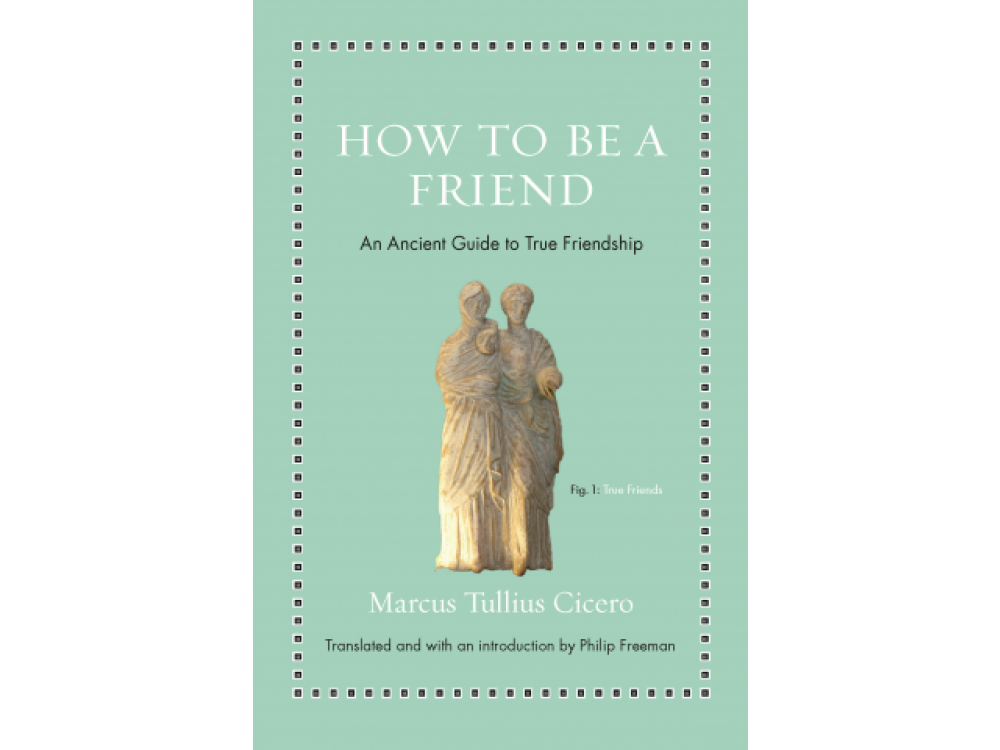
In a world where social media, online relationships, and relentless self-absorption threaten the very idea of deep and lasting friendships, the search for true friends is more important than ever. In this short book, which is one of the greatest ever written on the subject, the famous Roman politician and philosopher Cicero offers a compelling guide to finding, keeping, and appreciating friends. With wit and wisdom, Cicero shows us not only how to build friendships but also why they must be a key part of our lives. For, as Cicero says, life without friends is not worth living.
Filled with timeless advice and insights, Cicero’s heartfelt and moving classic—written in 44 BC and originally titled De Amicitia—has inspired readers for more than two thousand years, from St. Augustine and Dante to Thomas Jefferson and John Adams. Presented here in a lively new translation with the original Latin on facing pages and an inviting introduction, How to Be a Friend explores how to choose the right friends, how to avoid the pitfalls of friendship, and how to live with friends in good times and bad. Cicero also praises what he sees as the deepest kind of friendship—one in which two people find in each other “another self” or a kindred soul.
An honest and eloquent guide to finding and treasuring true friends, How to Be a Friend speaks as powerfully today as when it was first written.
Περιγραφή
A splendid new translation of one of the greatest books on friendship ever written
In a world where social media, online relationships, and relentless self-absorption threaten the very idea of deep and lasting friendships, the search for true friends is more important than ever. In this short book, which is one of the greatest ever written on the subject, the famous Roman politician and philosopher Cicero offers a compelling guide to finding, keeping, and appreciating friends. With wit and wisdom, Cicero shows us not only how to build friendships but also why they must be a key part of our lives. For, as Cicero says, life without friends is not worth living.
Filled with timeless advice and insights, Cicero’s heartfelt and moving classic—written in 44 BC and originally titled De Amicitia—has inspired readers for more than two thousand years, from St. Augustine and Dante to Thomas Jefferson and John Adams. Presented here in a lively new translation with the original Latin on facing pages and an inviting introduction, How to Be a Friend explores how to choose the right friends, how to avoid the pitfalls of friendship, and how to live with friends in good times and bad. Cicero also praises what he sees as the deepest kind of friendship—one in which two people find in each other “another self” or a kindred soul.
An honest and eloquent guide to finding and treasuring true friends, How to Be a Friend speaks as powerfully today as when it was first written.