Προσθήκη στα αγαπημένα
A superb new edition of Epictetus’s famed handbook on Stoicism—translated by one of the world’s leading authorities on Stoic philosophy
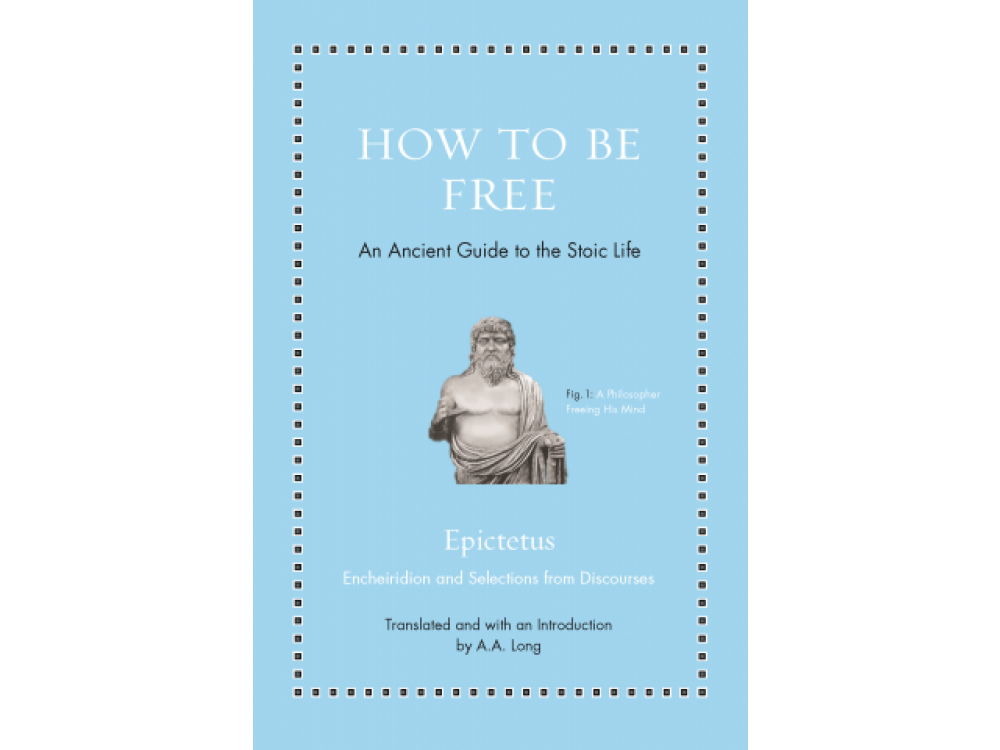
Born a slave, the Roman Stoic philosopher Epictetus (c. 55–135 AD) taught that mental freedom is supreme, since it can liberate one anywhere, even in a prison. In How to Be Free, A. A. Long—one of the world’s leading authorities on Stoicism and a pioneer in its remarkable contemporary revival—provides a superb new edition of Epictetus’s celebrated guide to the Stoic philosophy of life (the Encheiridion) along with a selection of related reflections in his Discourses.
Freedom, for Epictetus, is not a human right or a political prerogative but a psychological and ethical achievement, a gift that we alone can bestow on ourselves. We can all be free, but only if we learn to assign paramount value to what we can control (our motivations and reactions), treat what we cannot control with equanimity, and view our circumstances as opportunities to do well and be well, no matter what happens to us through misfortune or the actions of other people.
How to Be Free features splendid new translations and the original Greek on facing pages, a compelling introduction that sets Epictetus in context and describes the importance of Stoic freedom today, and an invaluable glossary of key words and concepts. The result is an unmatched introduction to this powerful method of managing emotions and handling life’s situations, from the most ordinary to the most demanding.
Περιγραφή
A superb new edition of Epictetus’s famed handbook on Stoicism—translated by one of the world’s leading authorities on Stoic philosophy
Born a slave, the Roman Stoic philosopher Epictetus (c. 55–135 AD) taught that mental freedom is supreme, since it can liberate one anywhere, even in a prison. In How to Be Free, A. A. Long—one of the world’s leading authorities on Stoicism and a pioneer in its remarkable contemporary revival—provides a superb new edition of Epictetus’s celebrated guide to the Stoic philosophy of life (the Encheiridion) along with a selection of related reflections in his Discourses.
Freedom, for Epictetus, is not a human right or a political prerogative but a psychological and ethical achievement, a gift that we alone can bestow on ourselves. We can all be free, but only if we learn to assign paramount value to what we can control (our motivations and reactions), treat what we cannot control with equanimity, and view our circumstances as opportunities to do well and be well, no matter what happens to us through misfortune or the actions of other people.
How to Be Free features splendid new translations and the original Greek on facing pages, a compelling introduction that sets Epictetus in context and describes the importance of Stoic freedom today, and an invaluable glossary of key words and concepts. The result is an unmatched introduction to this powerful method of managing emotions and handling life’s situations, from the most ordinary to the most demanding.