Προσθήκη στα αγαπημένα
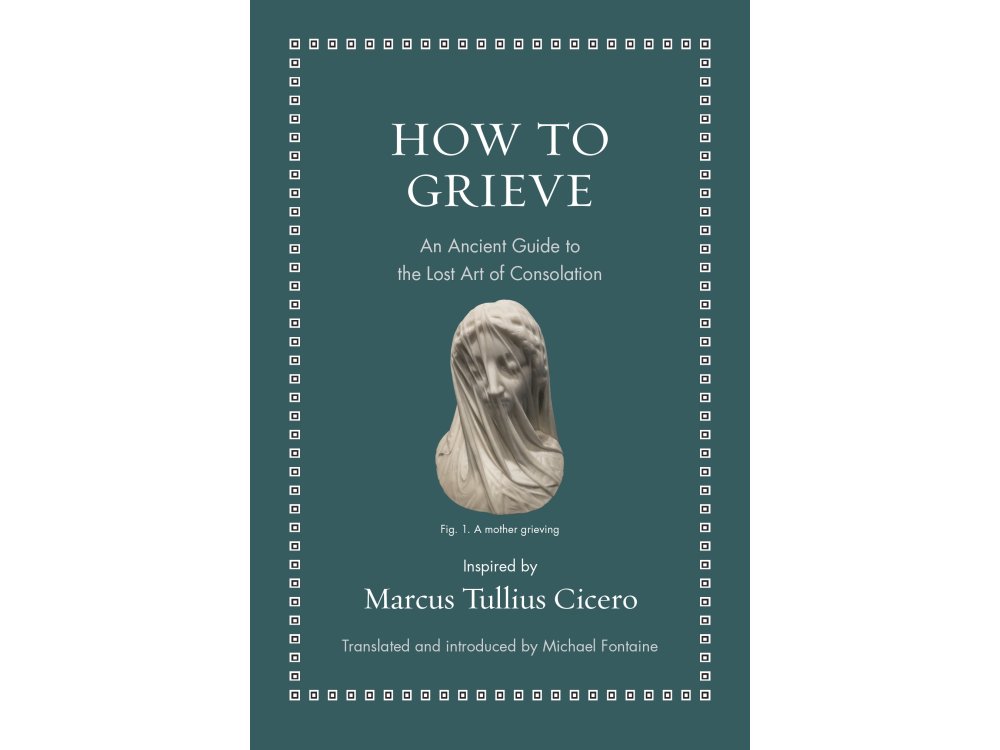
In 45 BCE, the Roman statesman Cicero fell to pieces when his beloved daughter, Tullia, died from complications of childbirth. But from the depths of despair, Cicero fought his way back. In an effort to cope with his loss, he wrote a consolation speech—not for others, as had always been done, but for himself. And it worked. Cicero’s Consolation was something new in literature, equal parts philosophy and motivational speech. Drawing on the full range of Greek philosophy and Roman history, Cicero convinced himself that death and loss are part of life, and that if others have survived them, we can, too; resilience, endurance, and fortitude are the way forward.
Lost in antiquity, Cicero’s Consolation was recreated in the Renaissance from hints in Cicero’s other writings and the Greek and Latin consolatory tradition. The resulting masterpiece—translated here for the first time in 250 years—is infused throughout with Cicero’s thought and spirit.
Complete with the original Latin on facing pages and an inviting introduction, Michael Fontaine’s engaging translation makes this searching exploration of grief available to readers once again.
Περιγραφή
In 45 BCE, the Roman statesman Cicero fell to pieces when his beloved daughter, Tullia, died from complications of childbirth. But from the depths of despair, Cicero fought his way back. In an effort to cope with his loss, he wrote a consolation speech—not for others, as had always been done, but for himself. And it worked. Cicero’s Consolation was something new in literature, equal parts philosophy and motivational speech. Drawing on the full range of Greek philosophy and Roman history, Cicero convinced himself that death and loss are part of life, and that if others have survived them, we can, too; resilience, endurance, and fortitude are the way forward.
Lost in antiquity, Cicero’s Consolation was recreated in the Renaissance from hints in Cicero’s other writings and the Greek and Latin consolatory tradition. The resulting masterpiece—translated here for the first time in 250 years—is infused throughout with Cicero’s thought and spirit.
Complete with the original Latin on facing pages and an inviting introduction, Michael Fontaine’s engaging translation makes this searching exploration of grief available to readers once again.