Προσθήκη στα αγαπημένα
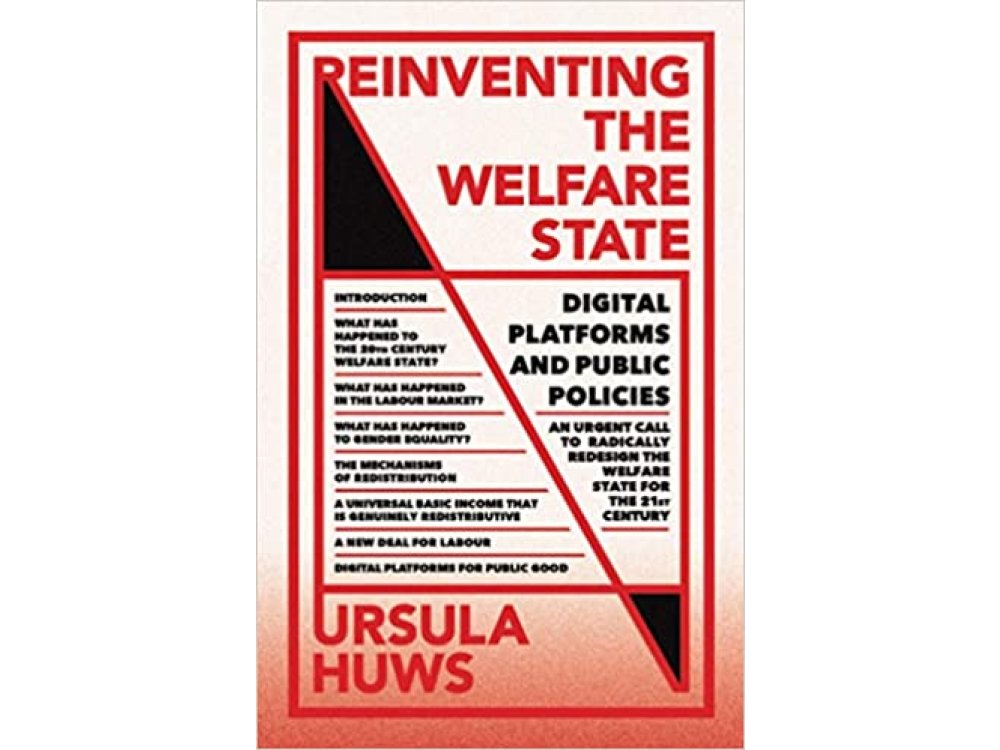
The British welfare state is over 70 years old. It was created to provide economic redistribution, universality of entitlement and collectively provided public services for all. In this book, leading analyst Ursula Huws argues that it is no longer fit for purpose, and in order to succeed in the 21st century, must be redesigned.
Huws focuses on some of the key issues of our time – the gig economy, Universal Credit, and gendered and domestic labour, to criticise the current state of welfare in this country. Drawing on a lifetime of research on these topics, she clearly explains why we need to radically rethink how it could change. With positivity and rigour, she proposes new and original policy ideas, including critical discussions of Universal Basic Income and new legislation for universal workers' rights.
She also outlines a 'digital welfare state' for the 21st century. This would involve a repurposing of online platform technologies under public control to modernise and expand public services, and improve accessibility.
Preface
1. Introduction
2. What Has Happened to the Twentieth-century Welfare State?
3. What Has Happened in the Labour Market?
4. What Has Happened to Gender Equality?
5. Recalibrating the Mechanisms of Redistribution
6. A Universal Basic Income that is Genuinely Redistributive
7. A New Deal for Labour
8. Digital Platforms for Public Good
9. The Way Forward
Notes
Index
Περιγραφή
The British welfare state is over 70 years old. It was created to provide economic redistribution, universality of entitlement and collectively provided public services for all. In this book, leading analyst Ursula Huws argues that it is no longer fit for purpose, and in order to succeed in the 21st century, must be redesigned.
Huws focuses on some of the key issues of our time – the gig economy, Universal Credit, and gendered and domestic labour, to criticise the current state of welfare in this country. Drawing on a lifetime of research on these topics, she clearly explains why we need to radically rethink how it could change. With positivity and rigour, she proposes new and original policy ideas, including critical discussions of Universal Basic Income and new legislation for universal workers' rights.
She also outlines a 'digital welfare state' for the 21st century. This would involve a repurposing of online platform technologies under public control to modernise and expand public services, and improve accessibility.