Προσθήκη στα αγαπημένα
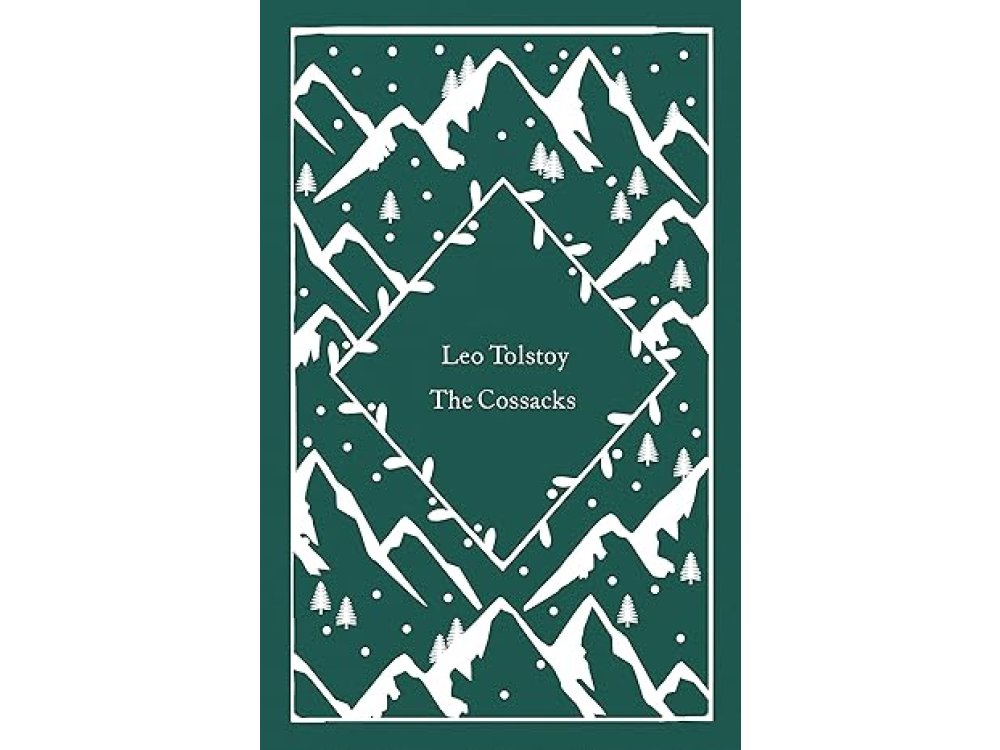
Introducing Little Clothbound Classics: irresistible, mini editions of short stories, novellas and essays from the world's greatest writers, designed by the award-winning Coralie Bickford-Smith.
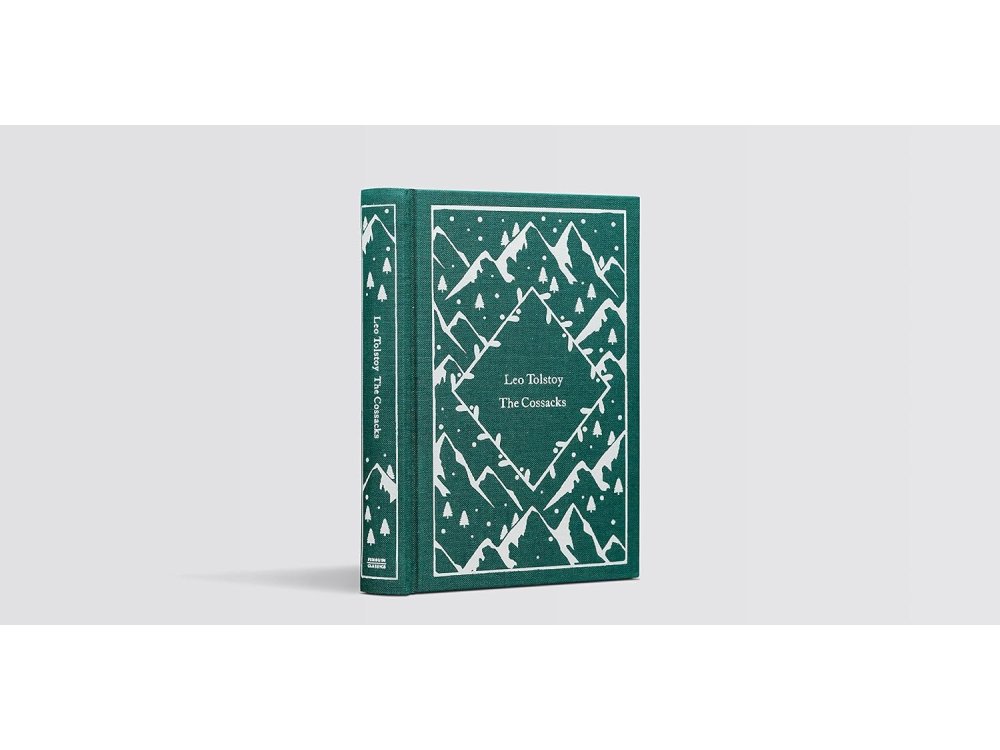
Celebrating the range and diversity of Penguin Classics, they take us from snowy Japan to springtime Vienna, from haunted New England to a sun-drenched Mediterranean island, and from a game of chess on the ocean to a love story on the moon. Beautifully designed and printed, these collectible editions are bound in colourful, tactile cloth and stamped with foil.
Dmitry Andreich Olenin, in the hope of escaping the hollowness of his privilege, joins the army and heads to the Caucasus. There among the foothills, he will meet the Cossacks: a people he considers to be at one with the land. In their company he will hunt, he will drink, he will fall in love and, slowly, he will begin to understand that between people, between cultures, there is often a space that cannot be traversed...
Περιγραφή
Introducing Little Clothbound Classics: irresistible, mini editions of short stories, novellas and essays from the world's greatest writers, designed by the award-winning Coralie Bickford-Smith.
Celebrating the range and diversity of Penguin Classics, they take us from snowy Japan to springtime Vienna, from haunted New England to a sun-drenched Mediterranean island, and from a game of chess on the ocean to a love story on the moon. Beautifully designed and printed, these collectible editions are bound in colourful, tactile cloth and stamped with foil.
Dmitry Andreich Olenin, in the hope of escaping the hollowness of his privilege, joins the army and heads to the Caucasus. There among the foothills, he will meet the Cossacks: a people he considers to be at one with the land. In their company he will hunt, he will drink, he will fall in love and, slowly, he will begin to understand that between people, between cultures, there is often a space that cannot be traversed...