Προσθήκη στα αγαπημένα
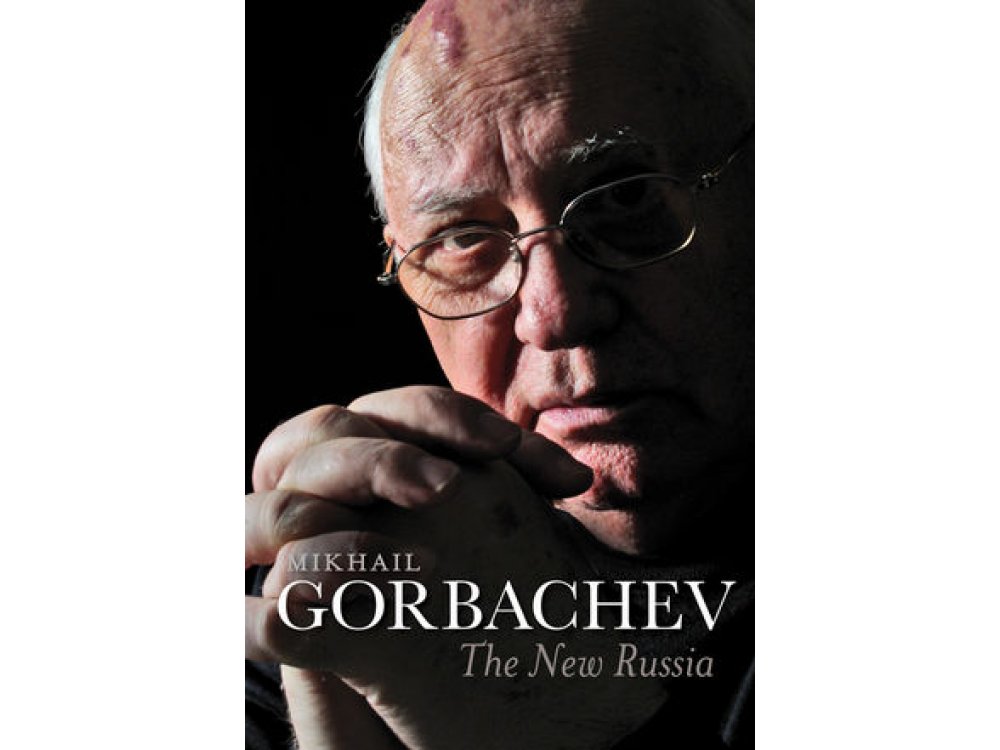
After years of rapprochement, the relationship between Russia and the West is more strained now than it has ever been in the past 25 years. Putin's motives, his reasons for seeking confrontation with the West, remain for many a mystery. Not for Mikhail Gorbachev. In this new work, Russia's elder statesman draws on his wealth of knowledge and experience to reveal the development of Putin's regime and the intentions behind it. He argues that in order to further his own personal power, Putin has corrupted the achievements of perestroika and created a system which offers no future for Russia. Faced with this, Gorbachev advocates a radical reform of politics and new fostering of pluralism and social democracy.Gorbachev's insightful analysis moves beyond internal politics to address wider problems in the region, including the Ukraine conflict, as well as the global challenges of poverty and climate change. Above all else, he insists that solutions are to be found by returning to the atmosphere of dialogue and cooperation which was so instrumental in ending the Cold War.This book represents the summation of Gorbachev's thinking on the course that Russia has taken since 1991 and stands as a testament to one of the greatest and most influential statesmen of the 20th century.
In this new work, Russia’s elder statesman draws on his wealth of knowledge and experience to reveal the development of Putin’s regime and the intentions behind it. He argues that in order to further his own personal power, Putin has corrupted the achievements of perestroika and created a system which offers no future for Russia. Faced with this, Gorbachev advocates a radical reform of politics and new fostering of pluralism and social democracy.
"This is a testimony to Gorbachev’s contribution to world history, not just during his heyday of perestroika but over the last two decades of post-communism, offering unique insight into events. Gorbachev takes a critical view of the Yeltsin reforms, and above all he offers a nuanced and intelligent analysis of Putin’s rule. Anybody interested in the end of the Soviet Union, post-communist Russia and contemporary world politics should read this book."
Richard Sakwa, University of Kent, UK
Περιγραφή
After years of rapprochement, the relationship between Russia and the West is more strained now than it has ever been in the past 25 years. Putin's motives, his reasons for seeking confrontation with the West, remain for many a mystery. Not for Mikhail Gorbachev. In this new work, Russia's elder statesman draws on his wealth of knowledge and experience to reveal the development of Putin's regime and the intentions behind it. He argues that in order to further his own personal power, Putin has corrupted the achievements of perestroika and created a system which offers no future for Russia. Faced with this, Gorbachev advocates a radical reform of politics and new fostering of pluralism and social democracy.Gorbachev's insightful analysis moves beyond internal politics to address wider problems in the region, including the Ukraine conflict, as well as the global challenges of poverty and climate change. Above all else, he insists that solutions are to be found by returning to the atmosphere of dialogue and cooperation which was so instrumental in ending the Cold War.This book represents the summation of Gorbachev's thinking on the course that Russia has taken since 1991 and stands as a testament to one of the greatest and most influential statesmen of the 20th century.
In this new work, Russia’s elder statesman draws on his wealth of knowledge and experience to reveal the development of Putin’s regime and the intentions behind it. He argues that in order to further his own personal power, Putin has corrupted the achievements of perestroika and created a system which offers no future for Russia. Faced with this, Gorbachev advocates a radical reform of politics and new fostering of pluralism and social democracy.
"This is a testimony to Gorbachev’s contribution to world history, not just during his heyday of perestroika but over the last two decades of post-communism, offering unique insight into events. Gorbachev takes a critical view of the Yeltsin reforms, and above all he offers a nuanced and intelligent analysis of Putin’s rule. Anybody interested in the end of the Soviet Union, post-communist Russia and contemporary world politics should read this book."
Richard Sakwa, University of Kent, UK