Προσθήκη στα αγαπημένα
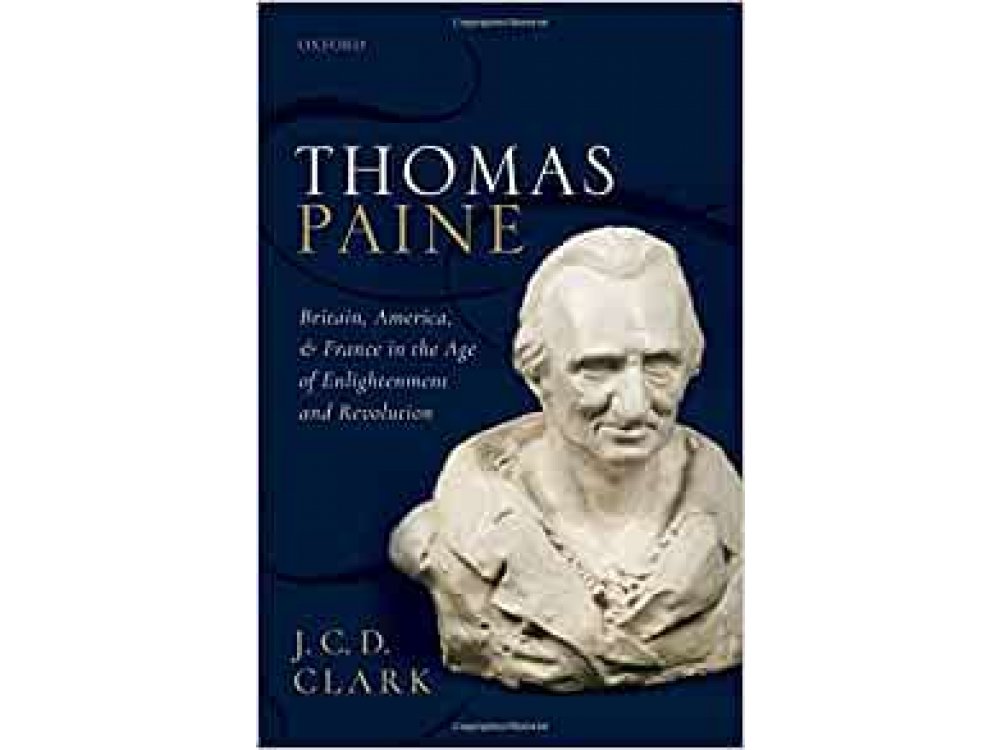
J. C. D. Clark explains Paine against a revised background of early- and mid-eighteenth-century England. He argues that Paine knew and learned less about events in America and France than was once thought. He de-attributes a number of publications, and passages, hitherto assumed to have been Paine's own, and detaches him from a number of causes (including anti-slavery, women's emancipation, and class action) with which he was once associated. Paine's formerly obvious association with the early origin and long-term triumph of natural rights, republicanism, and democracy needs to be rethought. As a result, Professor Clark offers a picture of radical and reforming movements as more indebted to the initiatives of large numbers of men and women in fast-evolving situations than to the writings of a few individuals who framed lasting, and eventually triumphant, political discourses.
Introduction: the Age of Paine?
PART I. DISCOURSES AND CONTEXTS
1:Contexts and biography
2:Pathways of political change: from (anti-)Jacobite to Jacobin
3:Discourses and their exponents
PART II. TEXTS AND CONTINGENCIES
4:The unexpected revolution: America, 1774-1787
5:The unexpected revolution: France, 1787-1802
6:Paine, religion, and politics: the Deist legacy
PART III. DIVERGENCES AND LEGACIES
7:Receptions and reinterpretations: Paine's lasting influence
8:Conclusion: the Age of Revolution, the Enlightenment and the dynamics of reforming traditions
Appendix: Paine de-attributions
Bibliography
Index
Περιγραφή
J. C. D. Clark explains Paine against a revised background of early- and mid-eighteenth-century England. He argues that Paine knew and learned less about events in America and France than was once thought. He de-attributes a number of publications, and passages, hitherto assumed to have been Paine's own, and detaches him from a number of causes (including anti-slavery, women's emancipation, and class action) with which he was once associated. Paine's formerly obvious association with the early origin and long-term triumph of natural rights, republicanism, and democracy needs to be rethought. As a result, Professor Clark offers a picture of radical and reforming movements as more indebted to the initiatives of large numbers of men and women in fast-evolving situations than to the writings of a few individuals who framed lasting, and eventually triumphant, political discourses.