Προσθήκη στα αγαπημένα
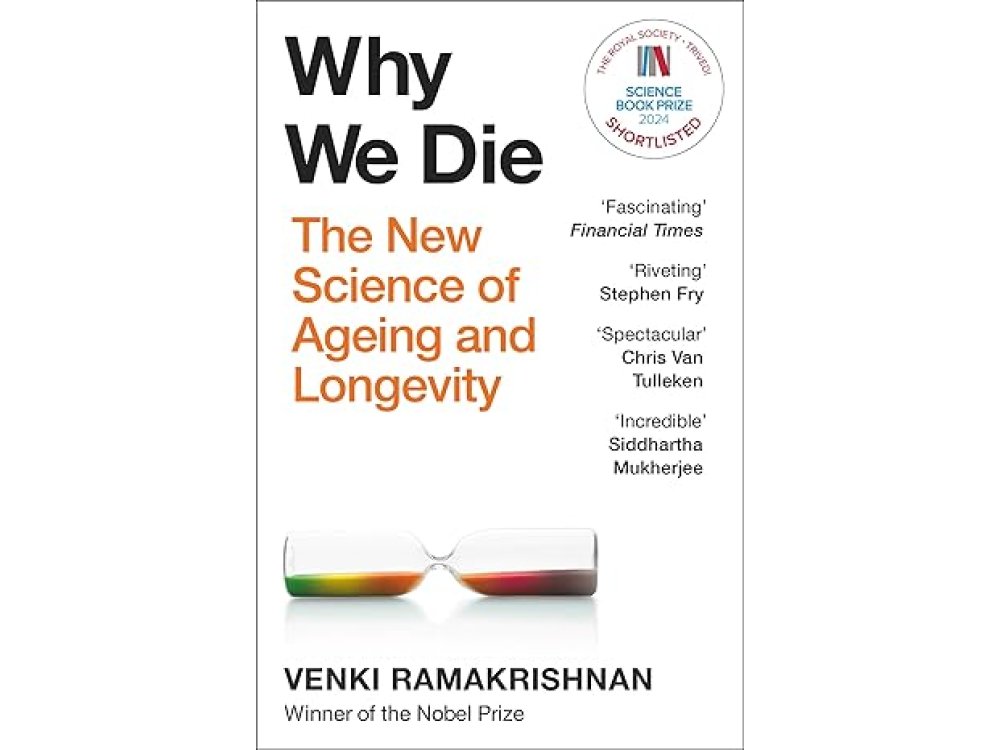
SHORTLISTED FOR THE ROYAL SOCIETY SCIENCE BOOK PRIZE 2024
A SUNDAY TIMES AND NEW SCIENTIST BOOK OF THE YEAR
A FINANCIAL TIMES BEST READ
‘Changed my perspective on the whole living world.’ – CHRIS VAN TULLEKEN
We are living through an exciting revolution in biology. Giant strides are being made in our understanding of why we age, and why some species live longer than others. Will we soon be able to cheat disease and death and live for a very long time, possibly many times our current lifespan?
Why We Die shares the latest scientific understanding of what causes ageing and how we might prevent it. Ramakrishnan examines the cutting-edge efforts to extend the human lifespan by altering our natural biology, raising profound questions and unravelling mind-bending answers along the way. Does death serve a necessary biological purpose? What will it mean for us all if some people start living longer? And how can we increase our chances of living long, healthy and fulfilled lives?
‘An incredible journey.’ – SIDDHARTHA MUKHERJEE
‘Joyfully alive’ – STEVE BRUSATTE
‘Scientists do not come much more eminent than Venki Ramakrishnan… wonderfully readable… fascinating.’ FINANCIAL TIMES
*As heard on BBC Radio 4 Start the Week*
Περιγραφή
SHORTLISTED FOR THE ROYAL SOCIETY SCIENCE BOOK PRIZE 2024
A SUNDAY TIMES AND NEW SCIENTIST BOOK OF THE YEAR
A FINANCIAL TIMES BEST READ
‘Changed my perspective on the whole living world.’ – CHRIS VAN TULLEKEN
We are living through an exciting revolution in biology. Giant strides are being made in our understanding of why we age, and why some species live longer than others. Will we soon be able to cheat disease and death and live for a very long time, possibly many times our current lifespan?
Why We Die shares the latest scientific understanding of what causes ageing and how we might prevent it. Ramakrishnan examines the cutting-edge efforts to extend the human lifespan by altering our natural biology, raising profound questions and unravelling mind-bending answers along the way. Does death serve a necessary biological purpose? What will it mean for us all if some people start living longer? And how can we increase our chances of living long, healthy and fulfilled lives?
‘An incredible journey.’ – SIDDHARTHA MUKHERJEE
‘Joyfully alive’ – STEVE BRUSATTE
‘Scientists do not come much more eminent than Venki Ramakrishnan… wonderfully readable… fascinating.’ FINANCIAL TIMES
*As heard on BBC Radio 4 Start the Week*