Add to wishlist
A free media is inextricably linked to a healthy democracy, but in many parts of the world liberal democracies are deemed to be dying or on the demise – a demise that many forms of media have enabled while heralding themselves as democracy’s saviour. The hollowing out of democracy in these ways has left many people questioning the value of (neo)liberal democratic societies. What can we do about it?
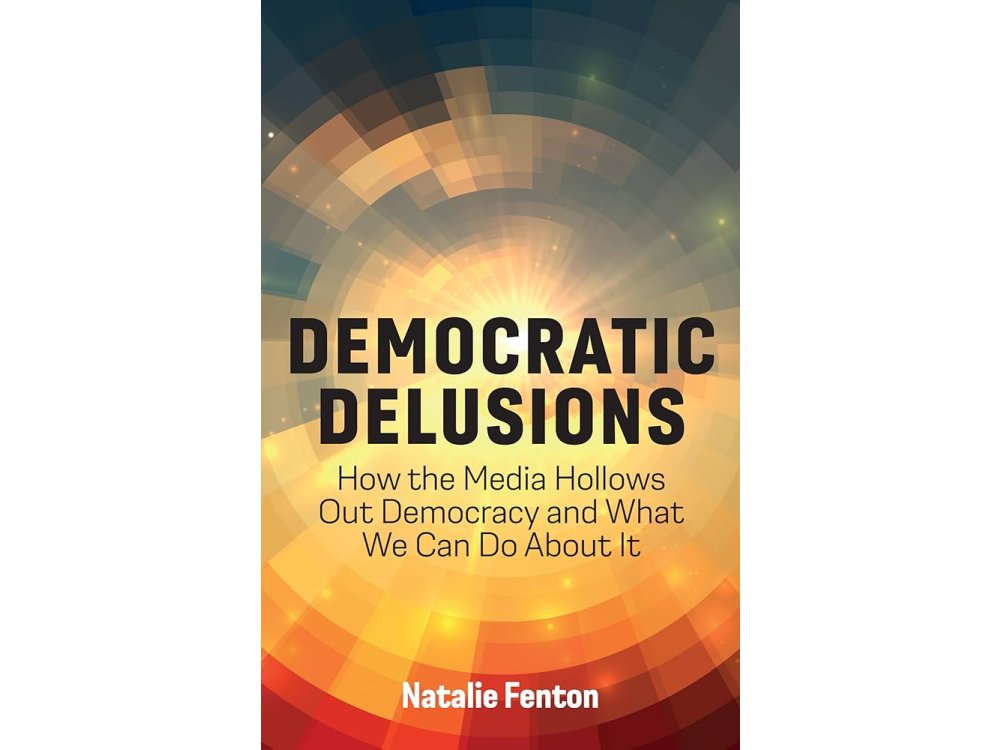
Democratic Delusions explores the potential of our media and tech systems to be democratic and contribute to a just and transformative democracy. This is only possible, Natalie Fenton argues, by first situating our political systems and mediated worlds within global capitalism. By interrogating different media and their relationship to seven key elements of democracy – power, participation, freedom, equality, public good, trust, and hope – the book asks: What is the response of society when the ability of news media to speak truth to power has been restricted by corporate logic? And, how do we tackle a deep-rooted market logic that shifts public debate towards private interest and marginalizes progressive perspectives? The book explores how these elements can be reimagined through newly conceived media and tech landscapes and, ultimately, what democracy might be in a future mediated world that places more power in the hands of more people.
This is essential reading for students and scholars of media and communications, journalism, political communications, political science, and sociology.
Acknowledgements
Chapter 1: Democratic Delusions and the Media
Chapter 2: Power and Powerlessness
Chapter 3: Political Participation and Political Exclusions
Chapter 4: Freedom and Repression
Chapter 5: Equality and Injustice
Chapter 6: Public Good and Private Interest
Chapter 7: Trust and Distrust
Chapter 8: Hope and Hopelessness: Democracy and the Media Reconfigured
Notes
References
Index
Description
A free media is inextricably linked to a healthy democracy, but in many parts of the world liberal democracies are deemed to be dying or on the demise – a demise that many forms of media have enabled while heralding themselves as democracy’s saviour. The hollowing out of democracy in these ways has left many people questioning the value of (neo)liberal democratic societies. What can we do about it?
Democratic Delusions explores the potential of our media and tech systems to be democratic and contribute to a just and transformative democracy. This is only possible, Natalie Fenton argues, by first situating our political systems and mediated worlds within global capitalism. By interrogating different media and their relationship to seven key elements of democracy – power, participation, freedom, equality, public good, trust, and hope – the book asks: What is the response of society when the ability of news media to speak truth to power has been restricted by corporate logic? And, how do we tackle a deep-rooted market logic that shifts public debate towards private interest and marginalizes progressive perspectives? The book explores how these elements can be reimagined through newly conceived media and tech landscapes and, ultimately, what democracy might be in a future mediated world that places more power in the hands of more people.
This is essential reading for students and scholars of media and communications, journalism, political communications, political science, and sociology.