Add to wishlist
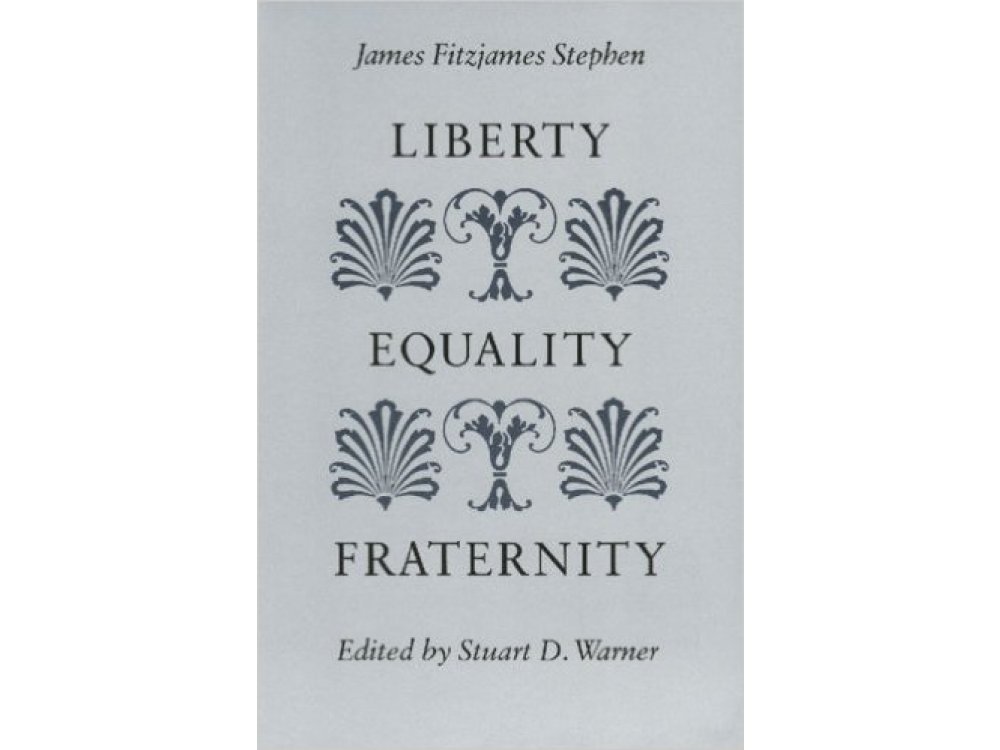
This work is the conservative answer to John Stuart Mill's On Liberty, which since the last half of the 19th century has been the principal text of classical liberalism. James Fitzjames Stephen vigorously attacks Mill's corrupting conception of liberty, equality and fraternity which became dominant after the French Revolution. As Stephen said in 1873, that corruption was the idea that the human race has before it splendid destinies of various kinds, and that the road to them is to be found in the removal of all restraints on human conduct, in the recognition of substantial equality between all human creatures, and in fraternity and general love.
Description
This work is the conservative answer to John Stuart Mill's On Liberty, which since the last half of the 19th century has been the principal text of classical liberalism. James Fitzjames Stephen vigorously attacks Mill's corrupting conception of liberty, equality and fraternity which became dominant after the French Revolution. As Stephen said in 1873, that corruption was the idea that the human race has before it splendid destinies of various kinds, and that the road to them is to be found in the removal of all restraints on human conduct, in the recognition of substantial equality between all human creatures, and in fraternity and general love.