Add to wishlist
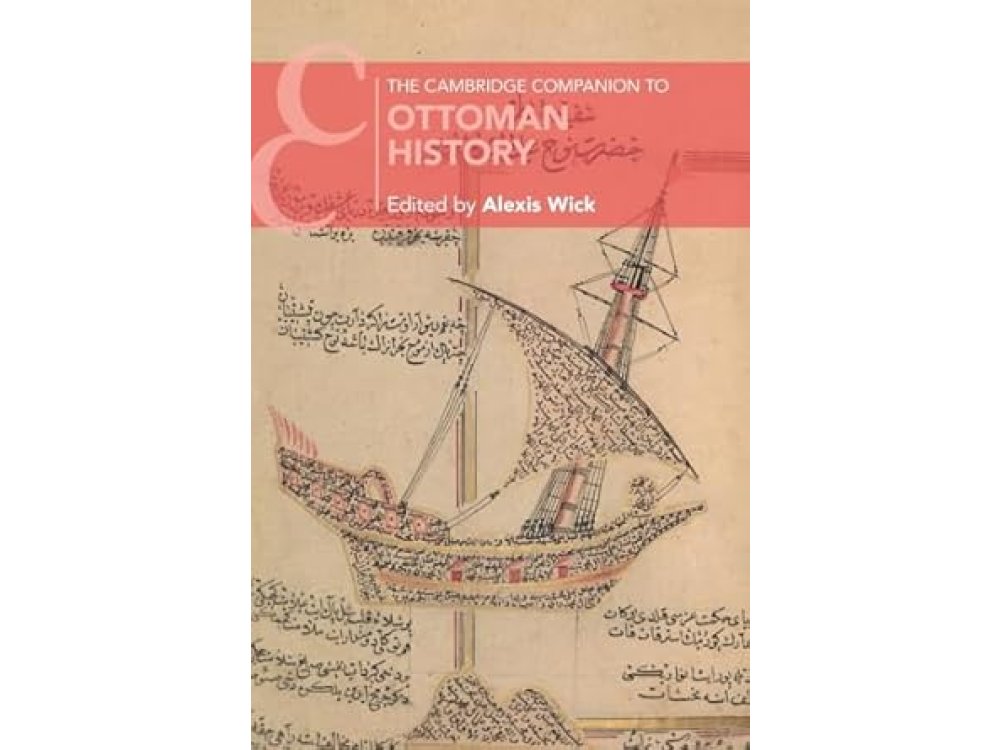
Why study Ottoman history? What are the available sources? And how can researchers begin locating, reading, and interpreting these? The Cambridge Companion to Ottoman History provides a broad introduction to the field, offering readers accessible outlines of its varied methods and approaches. Bringing together contributions from leading researchers, the volume considers the theoretical, methodological, and practical challenges faced by Ottoman historians. Including chapters from specialists in areas ranging from intellectual history to labor history and gender history, the Companion critically examines prior developments in the field, and indicates potential paths for future research. Beginning with a thorough grounding in the primary sources available, the Companion then turns to the perspectives and critical frames of the discipline. This volume is an essential teaching guide, and an invaluable entry point to the breadth and the possibilities of Ottoman history.
List of Figures
List of Tables
List of Contributors
Preface
Introduction: A Life in Ottoman History Suraiya Faroqhi
Part I. Sources and Structures:
1. Setting Off for the Archives Marc Aymes and Christopher Markiewicz
2. Literary and Biographical Sources Hatice Aynur
3. Chronicles and the Court: History Writing Ethan Menchinger
4. Letter Collections and the Central Bureaucracy Christine Woodhead
5. Whose Archives?: Legal Courts and the Question of the Written Document Yavuz Aykan
6. Visual Sources for the Study of Ottoman History Emine Fetvacı
7. Quantitative Data and the Economy Pınar Ceylan and Metin M. Coşgel
8. An Anthropologist among Ottomanists Nada Moumtaz
Part II. Perspectives and Methods:
9. Rural History Stefan Winter
10. Labor History Can Nacar and Hatice Yıldız
11. Environmental History Chris Gratien
12. Social Networks Yonca Köksal
13. Digital History, GIS, and Spatial Humanities: Mapping the Historical Population Geography of Two Regions in Bulgaria, 1840–1934 M. Erdem Kabadayı, Grigor Boykov and Piet Gerrits
14. Ottoman Diplomacy Güneş Işıksel
15. Intellectual History Oscar Aguirre-Mandujano and Kerem Tinaz
16. Approaching Ottoman Cultural History: Affect, Performance, and Aurality Aslıhan Gürbüzel and Jacob Olley
17. Ottoman Science: Institutions, Genres, Materials A. Tunç Şen and Daniel A. Stolz
Part III. Frames and Actors:
18. Imperial Edges and Those Who Live There: A Reconsideration of the Frontier in Ottoman History Isa Blumi and Güneş Işıksel
19. Capital and Province Marc Aymes
20. On the Shores of Empire Antonis Hadjikyriacou and Alexis Wick
21. Religion, Millet, and Nation Antonis Hadjikyriacou
22. Gender and Sexuality N. İpek Hüner and Başak Tuğ
23. Itinerant Ottomans: Refugees and Migrants as the Engine of an Empire's History Isa Blumi
24. Humans, Animals, Plants Yonca Köksal and Can Nacar
25. After the Ottomans? Alexis Rappas and Alexis Wick
References
Index.
Description
Why study Ottoman history? What are the available sources? And how can researchers begin locating, reading, and interpreting these? The Cambridge Companion to Ottoman History provides a broad introduction to the field, offering readers accessible outlines of its varied methods and approaches. Bringing together contributions from leading researchers, the volume considers the theoretical, methodological, and practical challenges faced by Ottoman historians. Including chapters from specialists in areas ranging from intellectual history to labor history and gender history, the Companion critically examines prior developments in the field, and indicates potential paths for future research. Beginning with a thorough grounding in the primary sources available, the Companion then turns to the perspectives and critical frames of the discipline. This volume is an essential teaching guide, and an invaluable entry point to the breadth and the possibilities of Ottoman history.