Add to wishlist
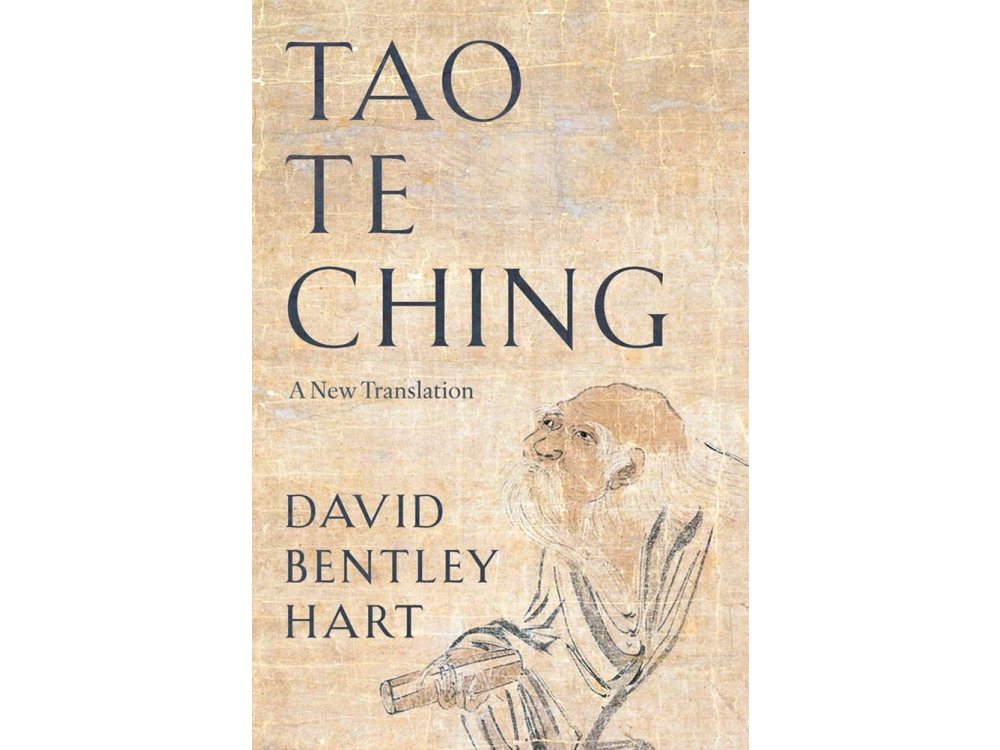
In this new translation, a world-renowned scholar brings out the metaphysical, moral, and poetic power of Laozi’s classical Chinese text
Drawing on his extensive study of philosophy, religion, and literature across traditions, David Bentley Hart, with the help of Patrick Robert Hart, presents Laozi’s timeless work and its paradoxical wisdom with clarity and grace.
Mesmerized by the Tao Te Ching’s condensed and elliptical nature, and moved by both its generosity and restraint, Hart began his study of the text forty years ago. It is a work, he shows us, that abounds in paradox, telling us that true strength lies in yielding, true wealth in possessing nothing, true greatness in humility, true wisdom in apparent folly, true glory in hiddenness, and the highest victory in an indifference to struggles for dominance. Its essential vision is of a world charged with spiritual forces—a world always full because inherently empty of itself. This translation honors the text’s enigmas, subtleties, and poetic graces but also strives for the purest clarity of meaning.
Description
In this new translation, a world-renowned scholar brings out the metaphysical, moral, and poetic power of Laozi’s classical Chinese text
Drawing on his extensive study of philosophy, religion, and literature across traditions, David Bentley Hart, with the help of Patrick Robert Hart, presents Laozi’s timeless work and its paradoxical wisdom with clarity and grace.
Mesmerized by the Tao Te Ching’s condensed and elliptical nature, and moved by both its generosity and restraint, Hart began his study of the text forty years ago. It is a work, he shows us, that abounds in paradox, telling us that true strength lies in yielding, true wealth in possessing nothing, true greatness in humility, true wisdom in apparent folly, true glory in hiddenness, and the highest victory in an indifference to struggles for dominance. Its essential vision is of a world charged with spiritual forces—a world always full because inherently empty of itself. This translation honors the text’s enigmas, subtleties, and poetic graces but also strives for the purest clarity of meaning.