Προσθήκη στα αγαπημένα
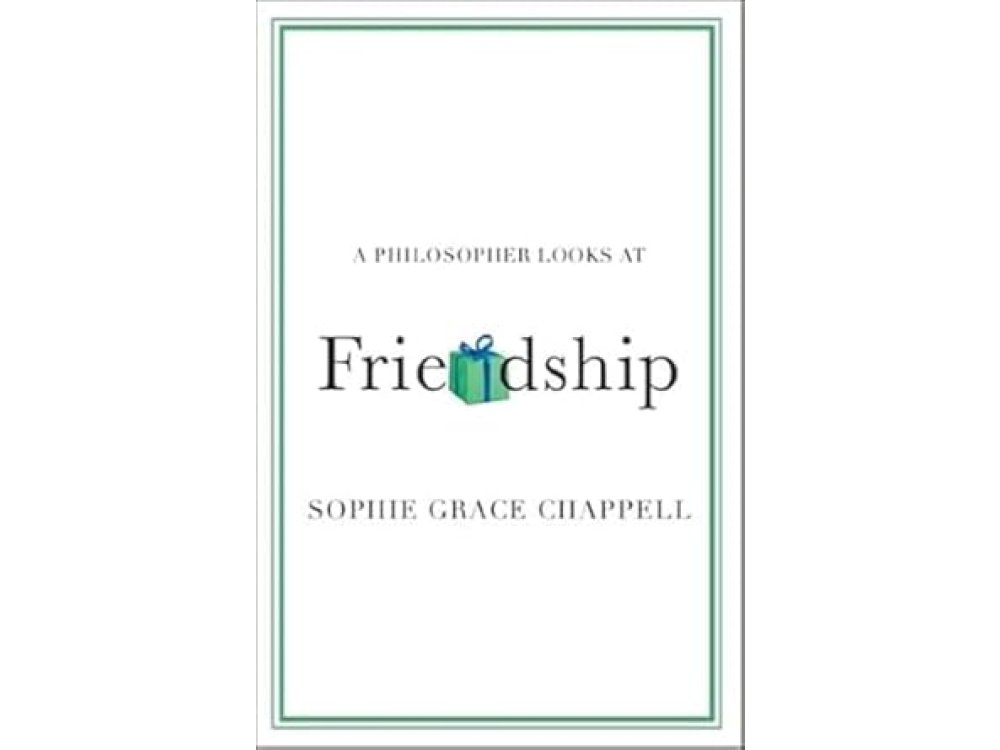
What is it to be a friend? What does the role of friend involve, and why? How do the obligations and prerogatives associated with that role follow on from it, and how might they mesh, or clash, with our other duties and privileges? Philosophy often treats friendship as something systematic, serious, and earnest, and much philosophical thought has gone into how 'friendship' can formally be defined. How indeed can friendship be good for us if it doesn't fit into a philosopher's neat, systematising theory of the good? For Sophie Grace Chappell, friendship is neither systematic nor earnest, yet is certainly one of the greatest goods of life. Drawing on well-known examples from popular culture, and examining these alongside recent philosophical, political, social, and theological debates, Chappell demystifies and redefines friendship as a highly untidy and many-sided good, and certainly also as one of the most central goods of human experience.
Contents
Acknowledgements
Prelude: eighteen aphorisms
1. Three friendships, and lots of questions
2. Philosophers of friendship: an apology
3. Why I don't start with a formal definition of friendship
4. Examples of friendship
5. Beginning the natural history of friendship
6. Deepening the natural history of friendship
7. Being with others
8. Lewis's Four Loves-and Nygren's two
9. Aristotle's three kinds of Philia-and Aristotle's will
10. Friendship, love, and second-personality
11. Friendship as an unemphatic good
12. Bertrand Russell and his over-emphatic 'German' friend
13. Sensitivity to tacit knowledge
14. Innocence
15. Moralism
16. Roles and spontaneity
17. The benefits of friendship
18. Eighteen quick questions and eighteen quick answers
Notes
References
Index.
Περιγραφή
What is it to be a friend? What does the role of friend involve, and why? How do the obligations and prerogatives associated with that role follow on from it, and how might they mesh, or clash, with our other duties and privileges? Philosophy often treats friendship as something systematic, serious, and earnest, and much philosophical thought has gone into how 'friendship' can formally be defined. How indeed can friendship be good for us if it doesn't fit into a philosopher's neat, systematising theory of the good? For Sophie Grace Chappell, friendship is neither systematic nor earnest, yet is certainly one of the greatest goods of life. Drawing on well-known examples from popular culture, and examining these alongside recent philosophical, political, social, and theological debates, Chappell demystifies and redefines friendship as a highly untidy and many-sided good, and certainly also as one of the most central goods of human experience.