Προσθήκη στα αγαπημένα
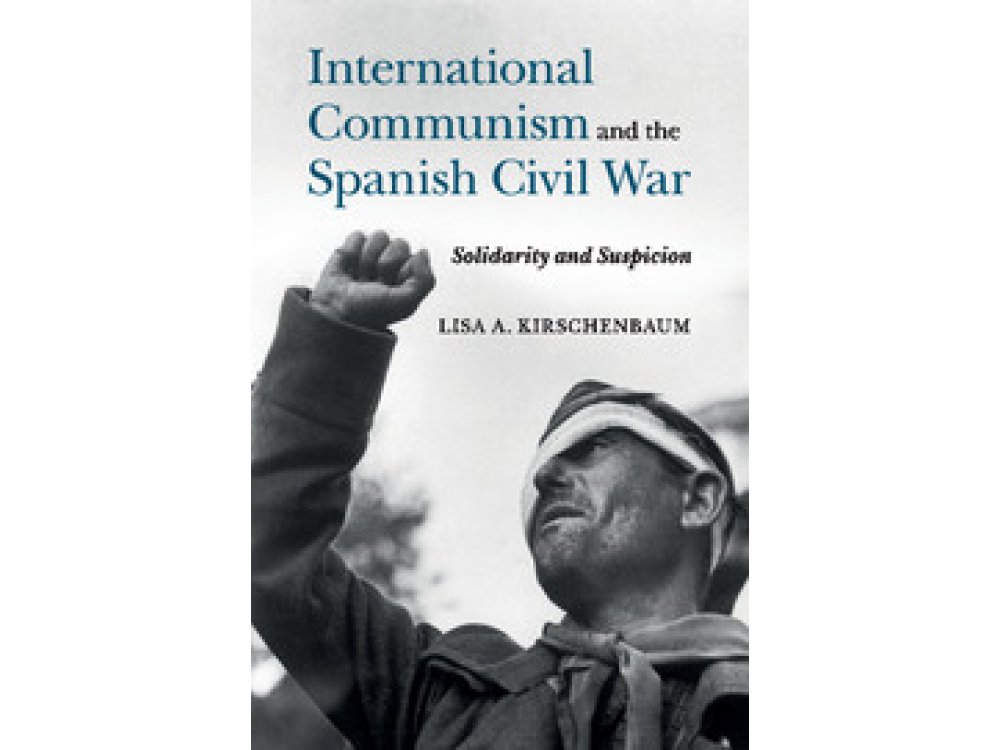
International Communism and the Spanish Civil War provides an intimate picture of international communism in the Stalin era. Exploring the transnational exchanges that occurred in Soviet-structured spaces - from clandestine schools for training international revolutionaries in Moscow to the International Brigades in Spain - the book uncovers complex webs of interaction, at once personal and political, that linked international communists to one another and the Soviet Union. The Spanish Civil War, which coincided with the great purges in the Soviet Union, stands at the center of this grassroots history. For many international communists, the war came to define both their life histories and political commitments. In telling their individual stories, the book calls attention to a central paradox of Stalinism - the simultaneous celebration and suspicion of transnational interactions - and illuminates the appeal of a cause that promised solidarity even as it practiced terror.
Focuses on the everyday work of building transnational communist networks in the Stalin era
Emphasizes the experiences of working-class international communists in the Soviet Union
Explores how communism appealed to people outside the Soviet Union not only as a political movement but as a way of life
Introduction: being communist
Part I. International Communists and the Soviet Union, 1930–6:
1. Learning to be Bolshevik
2. Imagining, seeing, feeling the revolution
Part II. Being Bolshevik, Making History in Spain, 1936–9:
3. 'All advanced and progressive humanity'
4. True Bolsheviks and Trotskyite bastards
5. Best comrades, tough guys, and respectable communists
Part III. International Communists and the Memory of the Spanish Civil War, 1939–53:
6. From 'our war' to the great fatherland war
7. The early Cold War and the fate of 'progressive humanity'
Epilogue: internationalism and the Spanish Civil War after Stalin.
Περιγραφή
International Communism and the Spanish Civil War provides an intimate picture of international communism in the Stalin era. Exploring the transnational exchanges that occurred in Soviet-structured spaces - from clandestine schools for training international revolutionaries in Moscow to the International Brigades in Spain - the book uncovers complex webs of interaction, at once personal and political, that linked international communists to one another and the Soviet Union. The Spanish Civil War, which coincided with the great purges in the Soviet Union, stands at the center of this grassroots history. For many international communists, the war came to define both their life histories and political commitments. In telling their individual stories, the book calls attention to a central paradox of Stalinism - the simultaneous celebration and suspicion of transnational interactions - and illuminates the appeal of a cause that promised solidarity even as it practiced terror.
Focuses on the everyday work of building transnational communist networks in the Stalin era
Emphasizes the experiences of working-class international communists in the Soviet Union
Explores how communism appealed to people outside the Soviet Union not only as a political movement but as a way of life