Προσθήκη στα αγαπημένα
Black nationalist ideas have been debated over centuries, and have shaped black religious, cultural, economic, and intellectual thought. But how is black nationalism popularly understood? And how should we reckon with the unique position of black people in the United States, where black nationalism has been fundamentally shaped by the white nationalism expressed before the Civil War?
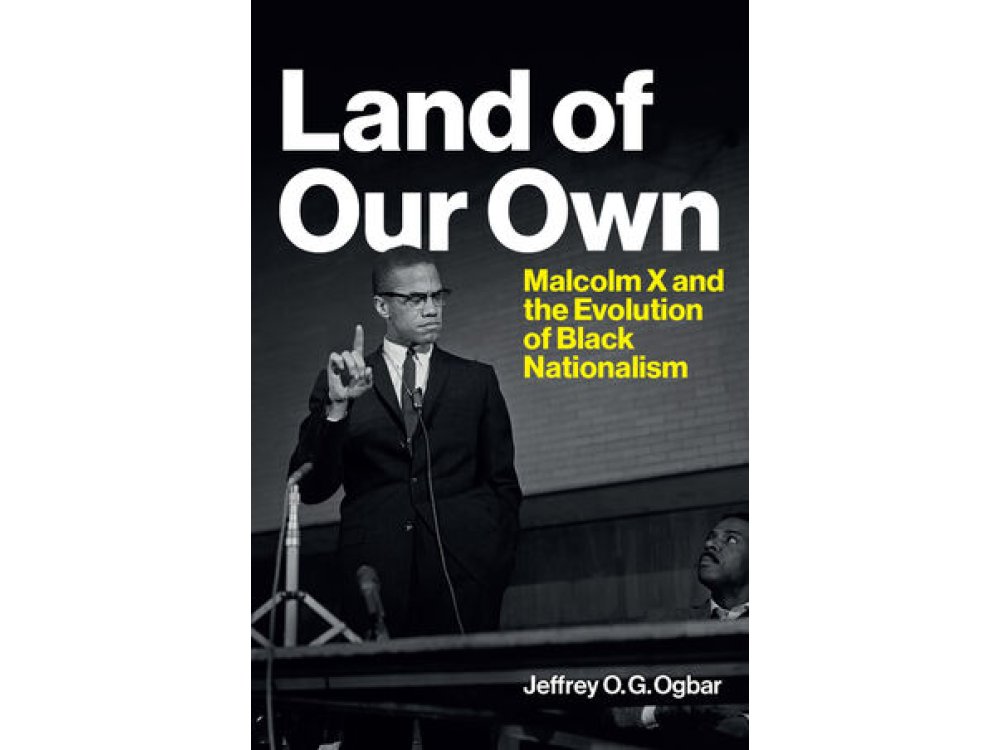
In this illuminating new book, Jeffrey O. G. Ogbar sheds much-needed light on black community, unity, and identity. The story of black nationalism is not limited to "back-to-Africa" Garveyites or to the religious nationalism of the Nation of Islam. By retelling the story of Malcolm X, Ogbar reveals how black nationalist thought has shaped ideas centered on internationalism, self-determination, self-defense, and electoral empowerment. More than "racial solidarity" or racial pride, black nationalism seeks territorial and political sovereignty – and the (often transnational) efforts to achieve nationhood have brought disparate communities together under the single banner of nationalism.
Offering both a panoramic and meticulous history, this lively book is essential reading for anyone who has been curious about the extraordinary impact of black nationalism in contemporary America.
I. Introduction: Making Sense of Black Nationalism
II. Chapter One: Freedom and Justice for All: White Nationalism and the American Project
III. Chapter Two: Neo-White Nationalism and the Renewed Republic, 1865-1900
IV. Chapter Three: Twentieth Century Neo-White Nationalism, 1900-1964
V. Chapter Four: God's Chosen People: Black Religious Nationalism since Slavery
VI. Chapter Five: Black Nationalism and the Politics of Black Beauty
VII. Chapter Six: Black Cultural Nationalism: Black Power and Black Arts
VIII. Conclusion: Black Nationalism in the Age of Afro-Self-determinism
Περιγραφή
Black nationalist ideas have been debated over centuries, and have shaped black religious, cultural, economic, and intellectual thought. But how is black nationalism popularly understood? And how should we reckon with the unique position of black people in the United States, where black nationalism has been fundamentally shaped by the white nationalism expressed before the Civil War?
In this illuminating new book, Jeffrey O. G. Ogbar sheds much-needed light on black community, unity, and identity. The story of black nationalism is not limited to "back-to-Africa" Garveyites or to the religious nationalism of the Nation of Islam. By retelling the story of Malcolm X, Ogbar reveals how black nationalist thought has shaped ideas centered on internationalism, self-determination, self-defense, and electoral empowerment. More than "racial solidarity" or racial pride, black nationalism seeks territorial and political sovereignty – and the (often transnational) efforts to achieve nationhood have brought disparate communities together under the single banner of nationalism.
Offering both a panoramic and meticulous history, this lively book is essential reading for anyone who has been curious about the extraordinary impact of black nationalism in contemporary America.