Προσθήκη στα αγαπημένα
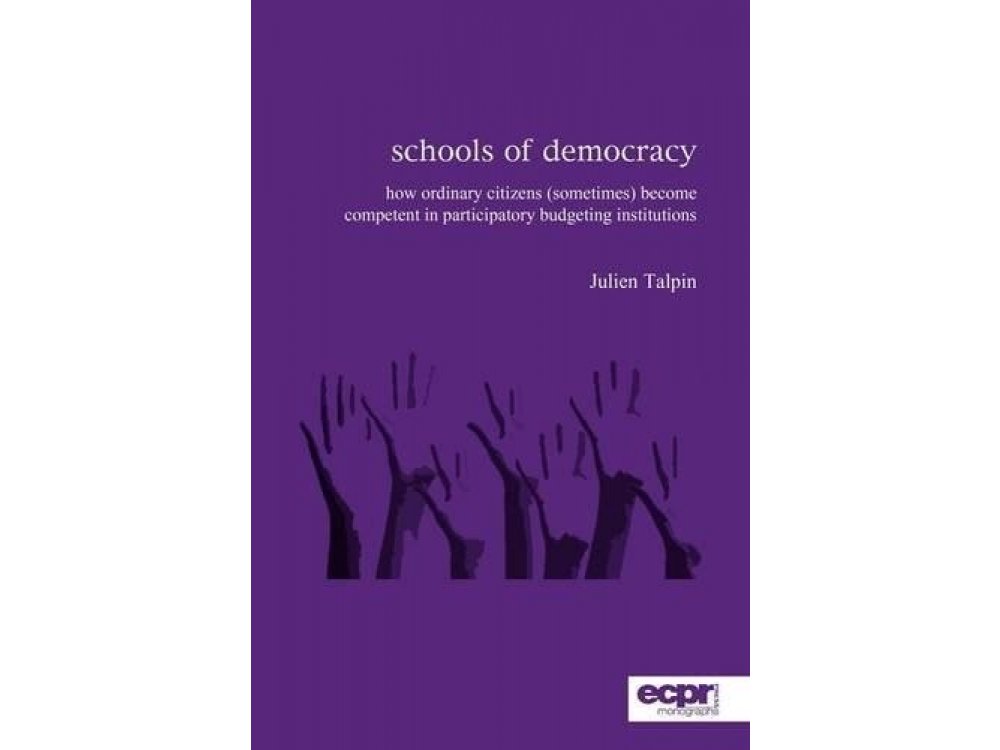
Schools of Democracy offers a vivid analysis of the long-term impact of engagement in participatory budgeting institutions in Europe. While democratic innovations flourish around the world, there have been great hopes for their potential to revitalize representative government and solve the increasing apathy of the public.Based on a rich ethnographic study in France, Italy and Spain, this book shows how participatory institutions can encourage personal involvement, by creating the procedural and social conditions conducive to the formation of a competent and involved citizenry.Rather than deliberation itself, it seems that informal discussions and interactions between a diverse public allow mutual learning and the beginning of a political trajectory for people at the margins of the public sphere.However, this book also shows that citizens can become disappointed by the little decision-making power they are granted, as they leave the process often more cynical than before.
Περιγραφή
Schools of Democracy offers a vivid analysis of the long-term impact of engagement in participatory budgeting institutions in Europe. While democratic innovations flourish around the world, there have been great hopes for their potential to revitalize representative government and solve the increasing apathy of the public.Based on a rich ethnographic study in France, Italy and Spain, this book shows how participatory institutions can encourage personal involvement, by creating the procedural and social conditions conducive to the formation of a competent and involved citizenry.Rather than deliberation itself, it seems that informal discussions and interactions between a diverse public allow mutual learning and the beginning of a political trajectory for people at the margins of the public sphere.However, this book also shows that citizens can become disappointed by the little decision-making power they are granted, as they leave the process often more cynical than before.