Add to wishlist
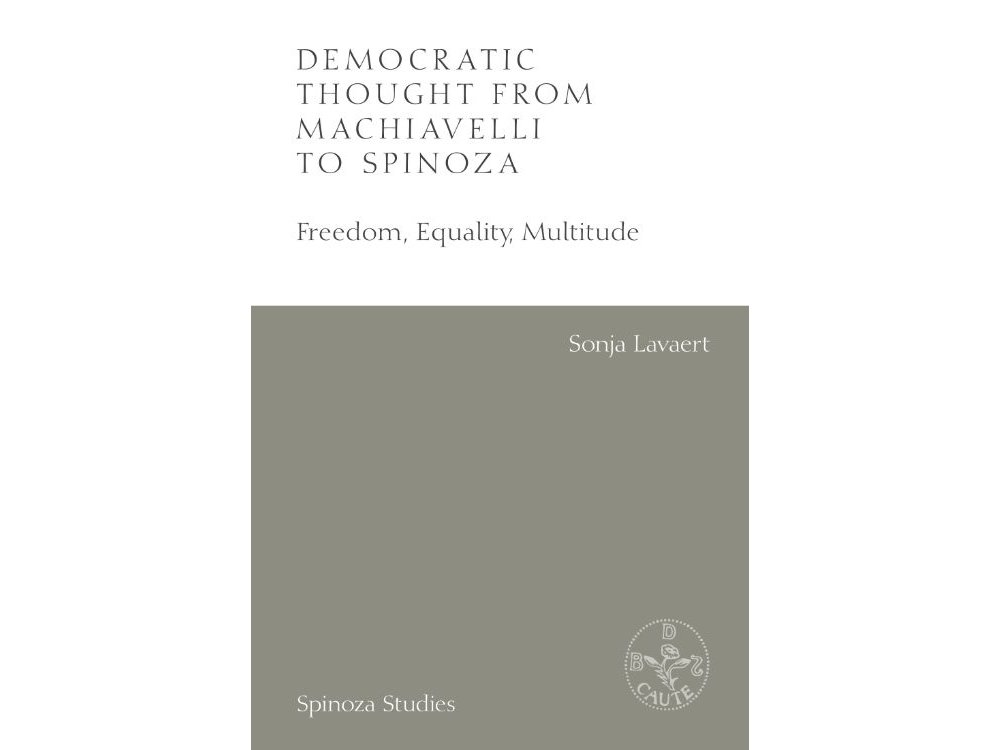
A genealogy of the concept of the multitude and Spinoza’s democratic political philosophy
In the latter half of the seventeenth century, Spinoza effected a reversal in the relationship between philosophy, politics, and religion, thereby laying the foundation for modern democracy. This shift, and his plea for philosophical critique, did not pass unchallenged. The idea that there is no equality without freedom, and no freedom without equality, was maligned by those who insisted it would lead to rebellion and anarchy. Still, Spinoza was no solitary figure, but formed part of a larger European movement. Inspired by several anonymous clandestine treatises, the republican writings of his contemporary De la Court, the democratic ideas of his former teacher Van den Enden, and the subversive criticism of his friend Koerbagh, Spinoza continued the trajectory established by Machiavelli. The resistance which his work encountered played a role in the radicalization of his ideas, the return to Machiavelli’s revolutionary principles, and the recognition of the multitude’s crucial role.
Description
A genealogy of the concept of the multitude and Spinoza’s democratic political philosophy
In the latter half of the seventeenth century, Spinoza effected a reversal in the relationship between philosophy, politics, and religion, thereby laying the foundation for modern democracy. This shift, and his plea for philosophical critique, did not pass unchallenged. The idea that there is no equality without freedom, and no freedom without equality, was maligned by those who insisted it would lead to rebellion and anarchy. Still, Spinoza was no solitary figure, but formed part of a larger European movement. Inspired by several anonymous clandestine treatises, the republican writings of his contemporary De la Court, the democratic ideas of his former teacher Van den Enden, and the subversive criticism of his friend Koerbagh, Spinoza continued the trajectory established by Machiavelli. The resistance which his work encountered played a role in the radicalization of his ideas, the return to Machiavelli’s revolutionary principles, and the recognition of the multitude’s crucial role.