Add to wishlist
AN ECONOMIST BOOK OF THE YEAR
‘A compelling and timely study of what drove history’s most influential civilisations… the book comes with impeccable timing… An entertaining and informative read for anyone interested in the forces that shape how civilisations progress’ Financial Times
‘Deftly punctures popular misconceptions… Could a history book be more timely?’ The Economist
‘Engaging and persuasive’ New Statesman
‘The best book I have read this year’ Jeremy Hunt
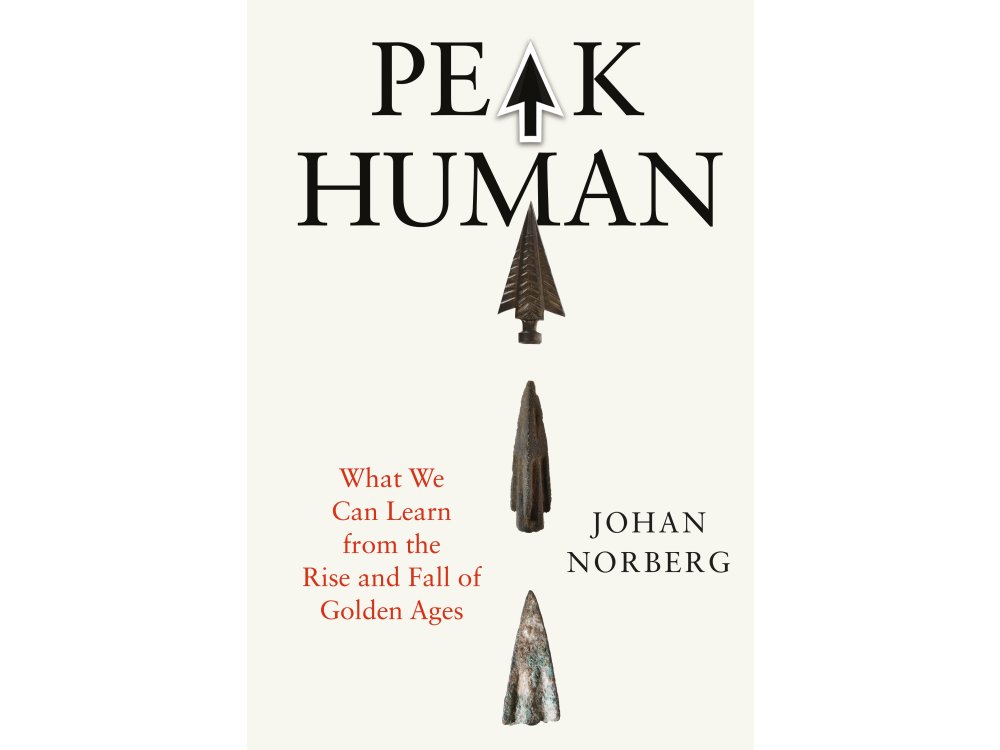
Golden ages are marked by periods of spectacular cultural flourishing, scientific exploration, technological achievement and economic growth: Ancient Greece gave us democracy and the rule of the law; out of Abbasid Baghdad came algebra and modern medicine, and the Dutch Republic furnished us with Europe’s greatest artistic movements. As such, each has unique lessons to teach us about the world we live in today. But, all previous golden ages have proven finite, whether through external pressures or internal fracturing.
In Peak Human, acclaimed historian Johan Norberg examines seven of humanity’s greatest civilizations – ancient Athens, the Roman Republic, Abbasid Baghdad, Song China, Renaissance Italy, the Dutch Republic and the Anglosphere – and asks: how do we ensure that our current golden age doesn’t end?
Description
AN ECONOMIST BOOK OF THE YEAR
‘A compelling and timely study of what drove history’s most influential civilisations… the book comes with impeccable timing… An entertaining and informative read for anyone interested in the forces that shape how civilisations progress’ Financial Times
‘Deftly punctures popular misconceptions… Could a history book be more timely?’ The Economist
‘Engaging and persuasive’ New Statesman
‘The best book I have read this year’ Jeremy Hunt
Golden ages are marked by periods of spectacular cultural flourishing, scientific exploration, technological achievement and economic growth: Ancient Greece gave us democracy and the rule of the law; out of Abbasid Baghdad came algebra and modern medicine, and the Dutch Republic furnished us with Europe’s greatest artistic movements. As such, each has unique lessons to teach us about the world we live in today. But, all previous golden ages have proven finite, whether through external pressures or internal fracturing.
In Peak Human, acclaimed historian Johan Norberg examines seven of humanity’s greatest civilizations – ancient Athens, the Roman Republic, Abbasid Baghdad, Song China, Renaissance Italy, the Dutch Republic and the Anglosphere – and asks: how do we ensure that our current golden age doesn’t end?