Add to wishlist
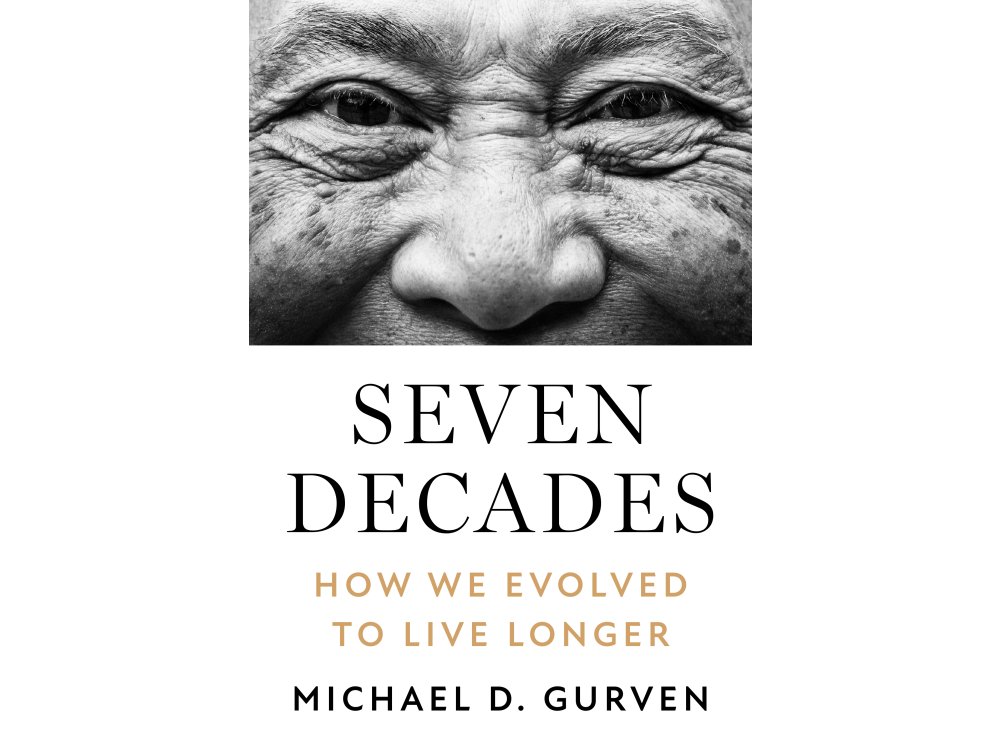
Our ability to live for decades may seem like a modern luxury made possible by clean water and advances in medicine. In fact, human longevity is a legacy of our unique evolutionary path as a species. Seven Decades challenges the belief that life in the past was “nasty, brutish, and short,” tracing how our capacity for long life came to be and transforming how we think about aging.
Blending vivid storytelling with cutting-edge science, anthropologist Michael Gurven weaves tales from his years of field experience among Indigenous societies whose diet and traditional lifeways are closer to how we all lived prior to industrialization, demonstrating how these communities are relatively free of the chronic diseases of aging such as heart disease, dementia, and diabetes. He provides compelling evidence that our longevity first evolved among our hunting and gathering ancestors and shows how the human body was built to last around seven decades. At a time when people are more likely to live to old age than ever before, Gurven discusses how we can harness this amazing evolutionary feat through a shift in societal values, one that balances self-reliance with interdependence, nurtures multigenerational ties, prioritizes women’s health and longevity, and enables us to rediscover the wisdom of our elders.
Sharing bold new perspectives on human aging, Seven Decades draws important lessons from our ancestral history, bridging the past with the present to reveal what healthy, happy, and productive old age could look like for all generations.
Description
Our ability to live for decades may seem like a modern luxury made possible by clean water and advances in medicine. In fact, human longevity is a legacy of our unique evolutionary path as a species. Seven Decades challenges the belief that life in the past was “nasty, brutish, and short,” tracing how our capacity for long life came to be and transforming how we think about aging.
Blending vivid storytelling with cutting-edge science, anthropologist Michael Gurven weaves tales from his years of field experience among Indigenous societies whose diet and traditional lifeways are closer to how we all lived prior to industrialization, demonstrating how these communities are relatively free of the chronic diseases of aging such as heart disease, dementia, and diabetes. He provides compelling evidence that our longevity first evolved among our hunting and gathering ancestors and shows how the human body was built to last around seven decades. At a time when people are more likely to live to old age than ever before, Gurven discusses how we can harness this amazing evolutionary feat through a shift in societal values, one that balances self-reliance with interdependence, nurtures multigenerational ties, prioritizes women’s health and longevity, and enables us to rediscover the wisdom of our elders.
Sharing bold new perspectives on human aging, Seven Decades draws important lessons from our ancestral history, bridging the past with the present to reveal what healthy, happy, and productive old age could look like for all generations.